Plastic-Free Wardrobe
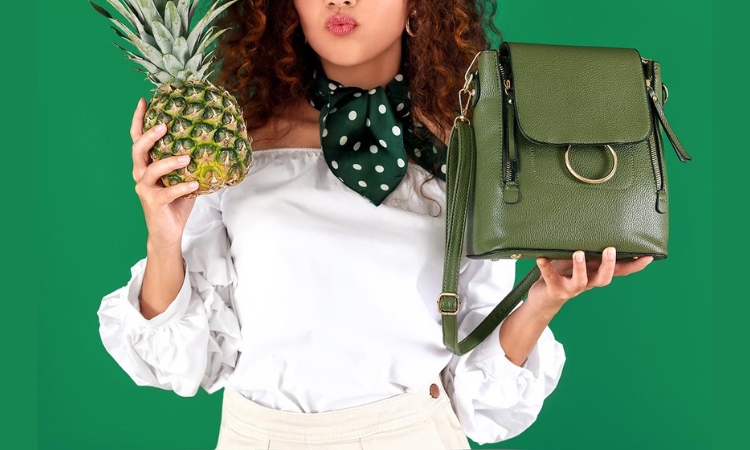
Transforming Fashion with Sustainability
Sustainable fashion is revolutionizing our wardrobe choices, shifting from traditional to innovative fabrics. The fashion industry’s overreliance on plastic materials contributes significantly to global emissions, with synthetic fibers and harmful chemicals leading to microplastic pollution in water systems and human bodies.
Choosing Sustainable Materials
To combat this issue, we can opt for sustainable materials like cactus or apple leather instead of polyester, nylon, and acrylic. Fabrics such as linen and hemp offer breathable alternatives suitable for warm weather attire.
Embracing Conscious Consumerism
Adopting a conscious approach involves considering various factors such as raw material sourcing, working conditions, and production processes. Supporting brands that prioritize fair trade and ethical practices is crucial for promoting sustainable fashion. Extending the lifespan of clothing through proper maintenance and repairs further reduces our fashion footprint.
Empowering Consumers for Change
Consumers hold significant power in driving the industry towards a more responsible future by demanding transparency and sustainability from brands. By vocalizing these expectations, we can influence positive change within the fashion sector.
* This post contains affiliate links
Quick links for sustainable bathroom brands




After doing our own research and testing many products, we have put together a list of some plant based materials available on the market today. We hope it will stir up a conversation and help you make a few more sustainable choices on your eco journey as well.
Can you tell the difference between natural fibers and oil-based synthetic materials?
1.Pineapple
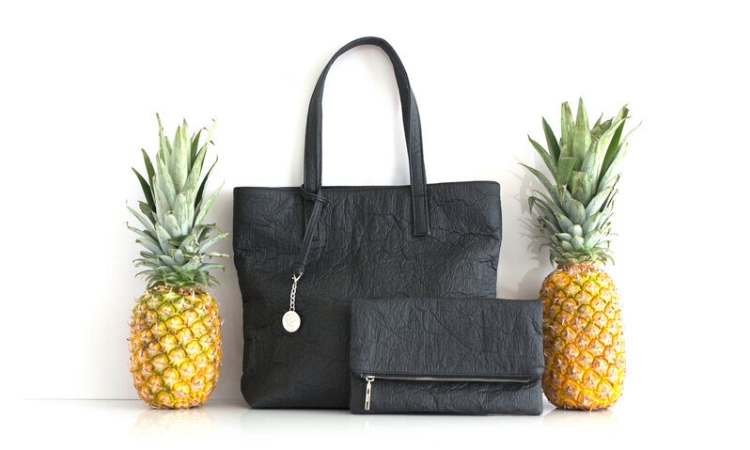
The commonly discarded parts of pineapple have resourcefully been turned into pineapple leather to create additional income for growers whilst also preventing food waste.
How it’s made: The tops and leaves of the pineapple are harvested alongside the fruit. The long fibers are extracted manually by the local farming communities using specially designed machinery supplied to them by the pineapple leather companies.
The fibers are then de-gummed and woven into a mesh, which are rolled together later on. Any excess waste is used to create biofuel.
Qualities: What makes pineapple leather great is that it’s extremely similar to animal skin: durable, water-resistant and breathable (with the added benefit of being cruelty free).
Best for: Furnishings and fashion accessories (shoes, bags and jackets).
2.Apple
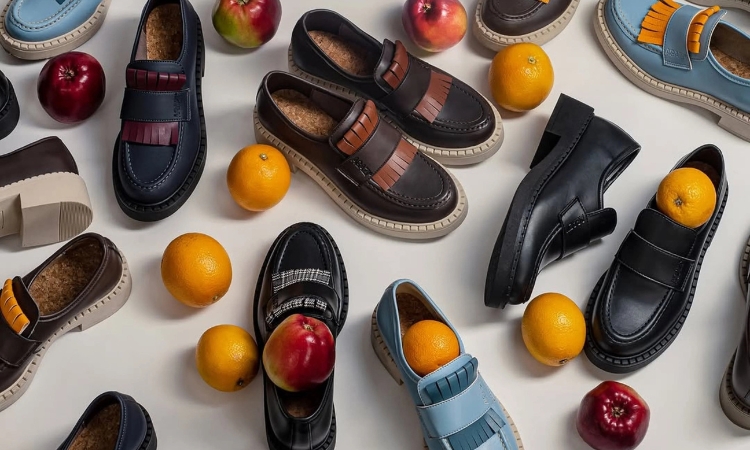
The increasing awareness of the negative impact that animal leather consumption has on our planet and most importantly the animal suffering has resulted in the production of new, innovative, plant based materials – and apple leather is top of the tree.
How it’s made: Apple leather is a sustainable vegan material made from the waste recovered from the apple juice and compote industry (apple skin and pulp). Originating from Bolzano, in northern Italy. A big benefit of using apple waste is that it is a completely renewable resource, which has much lower CO2 impact than purely petroleum-based vegan leathers.
Qualities: Apple leather is high performing, with a look and feel very similar to animal leather – but 100% cruelty free and much more sustainable.
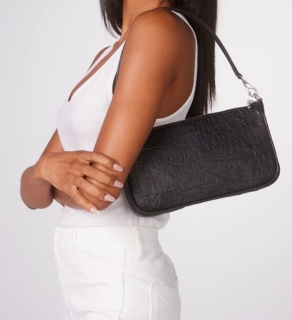
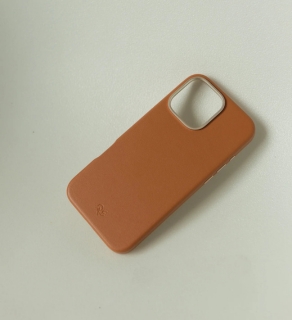
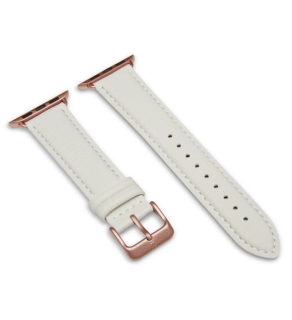
Best for: Bags, shoes, backpacks, accessories and watch straps.
3.Linen
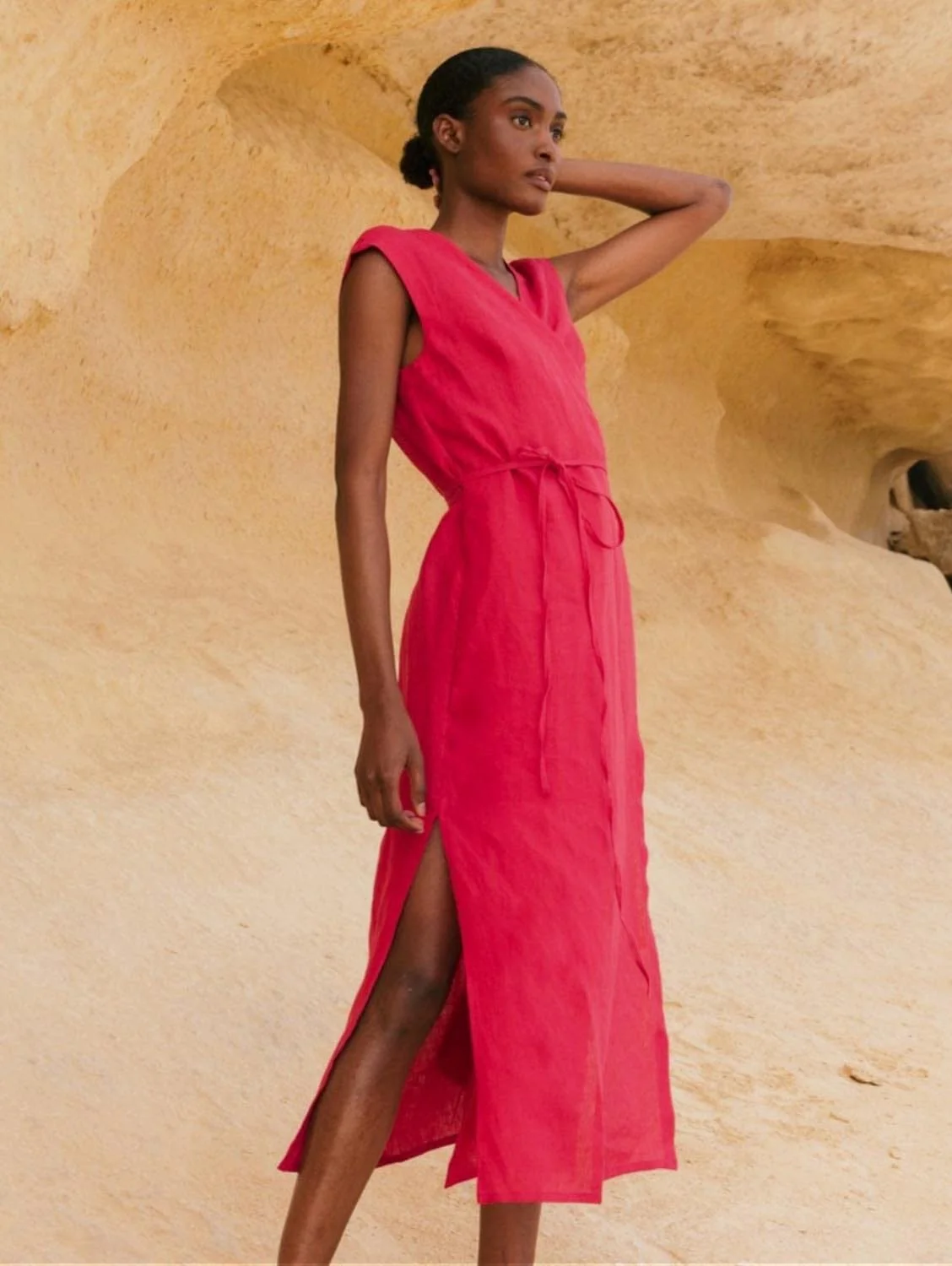
Linen is one of the oldest known textiles, used as a status symbol in the Middle Ages, displaying one’s riches and authority. It’s a high-end material and one of our favorites on the list!
How it’s made: Linen is made from the inner fiber of the flax plant. The process of turning flax into linen is very efficient and sustainable because it requires a very small amount of water as well as no pesticides or chemical fertilizers to grow. Furthermore, it’s naturally pest resistant and it replenishes the soil for the crops around it.
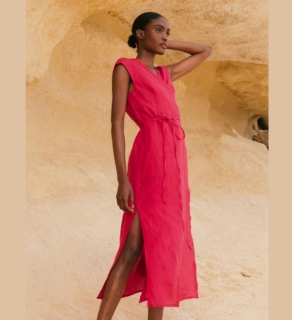
Qualities: Linen is soft, lightweight, breathable, long-lasting, quick-drying and antimicrobial. These qualities make linen super versatile and convenient around the house and in the fashion industry.
Best for: Clothing, bedding, curtains, napkins and cushions.
4.Mushroom
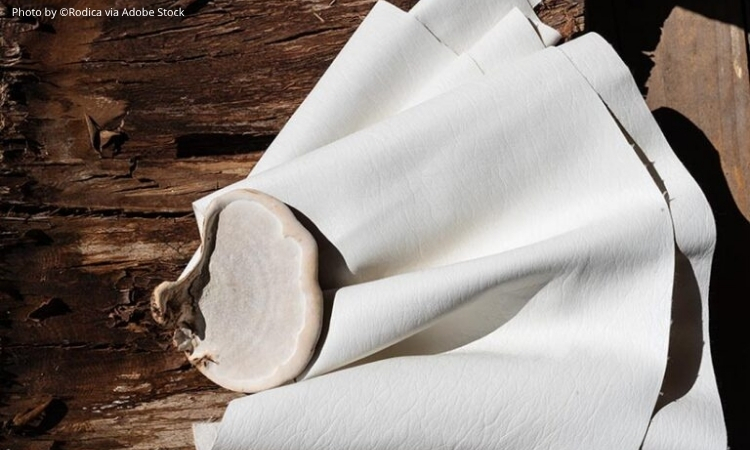
Often known as MuSkin, mushroom leather is made from the caps of the Phellinus ellipsoideus mushroom species, which is native to subtropical forests. The fungus wraps itself around tree trunks to feed and grow. This material grows at a rate of 2.5cm per week, creating the area equivalent to a fully-grown cow hide in just two months!
How it’s made: Once the mushroom is harvested from the tree, it is then treated and processed in a similar way to animal skins, yet it’s biodegradable, natural and non-toxic. What you end up with is a strong and sewable fabric resembling traditional leather and the texture of suede.
Qualities: Mushroom leather is completely biodegradable, water resistant, tan- and dye-absorbent, versatile, easy to sew and completely breathable. What makes mushroom leather so unique is its incredible ability to prevent bacterial spread and growth. This is because the fabric absorbs damp and moisture, and then immediately releases it, acting as a sort of dehumidifier ideal for use on shoes and boots. Initial studies also suggest that MuSkin is hypoallergenic too!
Best for: Shoes and boots due to its breathable nature and moisture-wicking properties.
>>Shop Mushroom Leather
5.Cactus
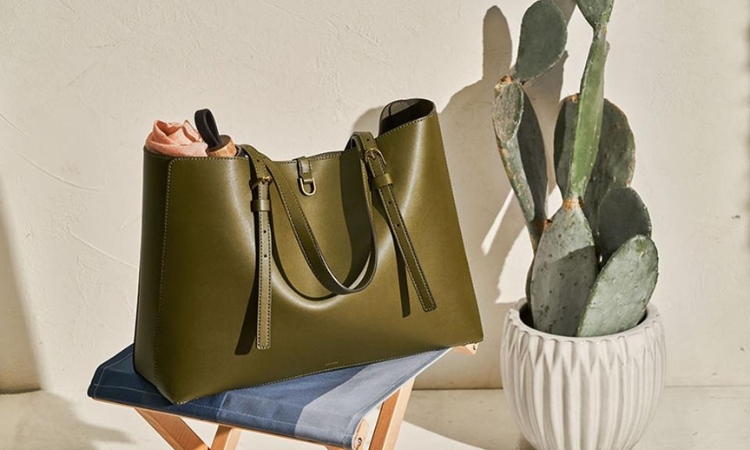
Cactus leather is one of the latest innovations in the sustainable fashion industry.
How it’s made: It’s a vegan leather made from the leaves of nopal cactus – a plant that grows abundantly in Mexico. What’s great about cacti is that it doesn’t require a lot of water, which makes it very sustainable and cheap to grow.
Qualities: Cactus leather is very soft to the touch, highly durable and resistant to water, abrasion, rubbing and tearing.. Surprisingly cactus leather has a high level of elasticity which is normally found in animal based leather due to the presence of collagen. However plant based materials are cruelty free and more sustainable for our planet.
Best for: Furnishings, upholstery and fashion accessories (shoes, bags, belts, wallets and jackets).




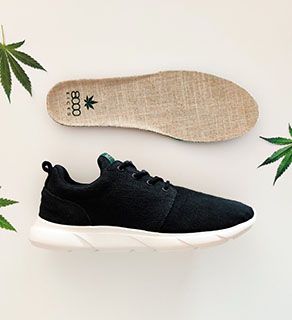
6.Hemp

Hemp has been used by many cultures around the world for its medicinal and healing properties. Craftsmen used hemp to weave ropes and cords, it’s a reliable material due to its strength. Today this material is used to produce hempcrete as well as textiles.
How it’s made: Hemp is made from the fibers of the Cannabis sativa plant, specifically from the stalk.
Qualities: Hemp is soft, lightweight, breathable and quick-drying and antimicrobial. Furthermore, hemp is resistant to mold, mildew and UV light.
Best for: Shoes, bags, clothing and carpets.
7.Corn
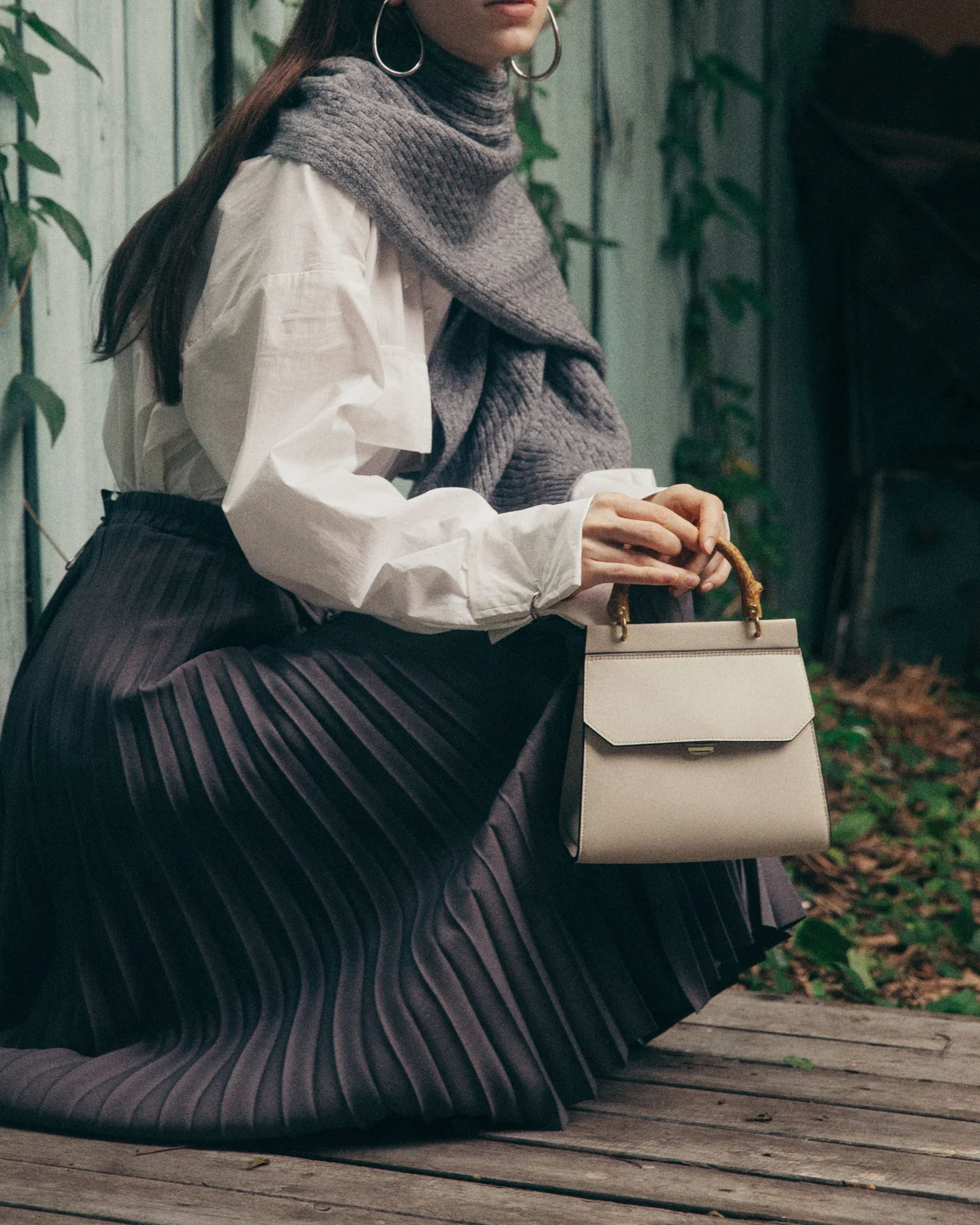
Corn leather is a naturally derived material that is successfully rivalling animal leather and there is no suffering involved. Corn leather is also free from chromium which is highly toxic and harmful not only to workers but also to communities located near tanneries.
How it’s made: Corn leather uses both corn husk and vegetable oils from corn which tend to be waste products.
Qualities: Corn leather is a resistant and durable material which in fact is tougher than animal hide. This material obtains leather characteristics in terms of its touch and elasticity and is 63% biodegradable.
Best for: Belts, bags, wallets and shoes.
>>Shop Corn Leather


Share This Post, Choose Your Platform!
* Everything we recommend to you on Veganlyy is independently researched and we ask all brands to confirm their claims. To avoid waste, we test products on an as needed basis. This post contains affiliate links. If you buy something through our links we may earn a small commission for advertising, but the price won’t change for you. Learn more about why we do this here.